
There’s something truly magical about cinnamon — its sweet, woody aroma, warm flavor, and centuries-old reputation as both a culinary treasure and natural healer. From spicing up desserts to soothing the senses, this golden-brown spice has been part of human history for thousands of years.Once valued as highly as gold, cinnamon was a luxury that traveled the ancient spice routes from Sri Lanka and the Malabar Coast of India to the royal kitchens of Egypt and Europe. Today, it remains one of the most loved and versatile spices in the world.
What Exactly Is Cinnamon?
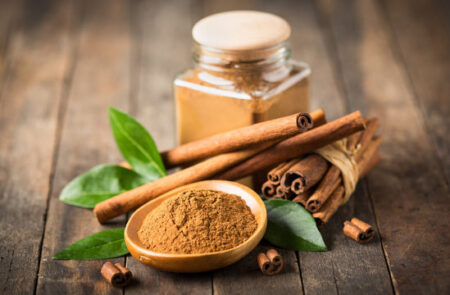
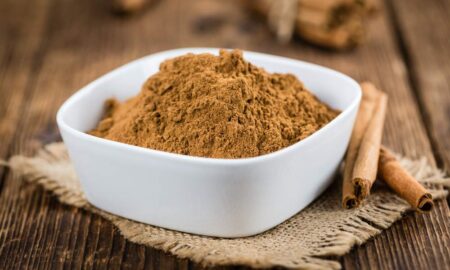
Cinnamon isn’t an herb — it’s a spice made from the inner bark of trees belonging to the Cinnamomum family. When the bark is carefully peeled, it curls into the familiar cinnamon sticks (quills) we use today. It can also be ground into a fine, aromatic powder, perfect for everything from morning coffee to festive desserts.The cinnamon tree is a lush evergreen that grows in tropical regions. It bears shiny green leaves, small yellowish flowers, and pretty pink buds that resemble tiny cloves — a subtle reminder of the spice’s natural beauty.
Where Does Cinnamon Come From?
Cinnamon has its roots deep in Southeast Asia, especially Sri Lanka, India, Bangladesh, and Myanmar.
It was once so precious that it sparked global trade wars! Ancient Egyptians used it for embalming and religious rituals, while Europeans treasured it for its exotic scent and flavor.Over time, cinnamon spread worldwide — and today, it’s cultivated across Asia and parts of South America and the Caribbean.
The Different Types of Cinnamon
Not all cinnamon is the same — and knowing the difference can elevate both your cooking and wellness!
- Ceylon Cinnamon (True Cinnamon) – Originating from Sri Lanka, it’s mild, sweet, and has a delicate flavor. Often called “true cinnamon,” it’s ideal for teas, desserts, and Ayurvedic remedies.
- Cassia Cinnamon – The stronger, spicier cousin of Ceylon, commonly used in baking and everyday cooking.
- Saigon & Korintje Cinnamon – Varieties of Cassia with a bold aroma and slightly peppery flavor, often used in coffee and baked goods.
Why Cinnamon Is Good for You
Beyond its delicious taste, cinnamon is packed with powerful health benefits that make it a true super-spice!
1. Rich in Antioxidants: Cinnamon is loaded with antioxidants like polyphenols that help fight oxidative stress and keep your body youthful.
2. Supports Heart and Blood Sugar Health: Studies suggest cinnamon can help lower cholesterol, improve insulin sensitivity, and support balanced blood sugar levels.
3. Boosts Brain Function: It’s believed to enhance focus, memory, and protect against neurodegenerative diseases like Alzheimer’s.
4. Natural Anti-Inflammatory & Antimicrobial: Its essential oils have antibacterial and antifungal properties, helping your body fight infections naturally.
5. Aids Digestion: Cinnamon supports gut health, reduces bloating, and soothes the digestive tract.
Culinary Uses of Cinnamon
From sweet treats to savory dishes, cinnamon can do it all!
- Add a pinch to your coffee, tea, or oatmeal for a cozy flavor boost.
- Use it in cakes, cookies, or pies for that perfect warmth.
- Sprinkle it in curries, stews, or rice dishes for a subtle depth of flavor.
- Or try cinnamon water — steep a stick overnight and sip for a morning detox.
Its versatility makes it one of the most-loved ingredients in both modern and traditional kitchens.
Conclusion: A Spice That Connects the Past and Present
Cinnamon isn’t just a spice — it’s a story of flavor, tradition, and healing that spans centuries and cultures. From ancient temples to modern kitchens, it continues to warm hearts, enhance health, and awaken the senses.
Whether sprinkled on your morning coffee or simmered in a festive curry, cinnamon is nature’s gentle reminder that wellness can be delicious.